MELASMA: TRIGGERS AND LONG-TERM CARE FOR INDIAN SKIN
- January 4, 2026 at 4:05 pm
- Skin Care,Face Care,MELASMA
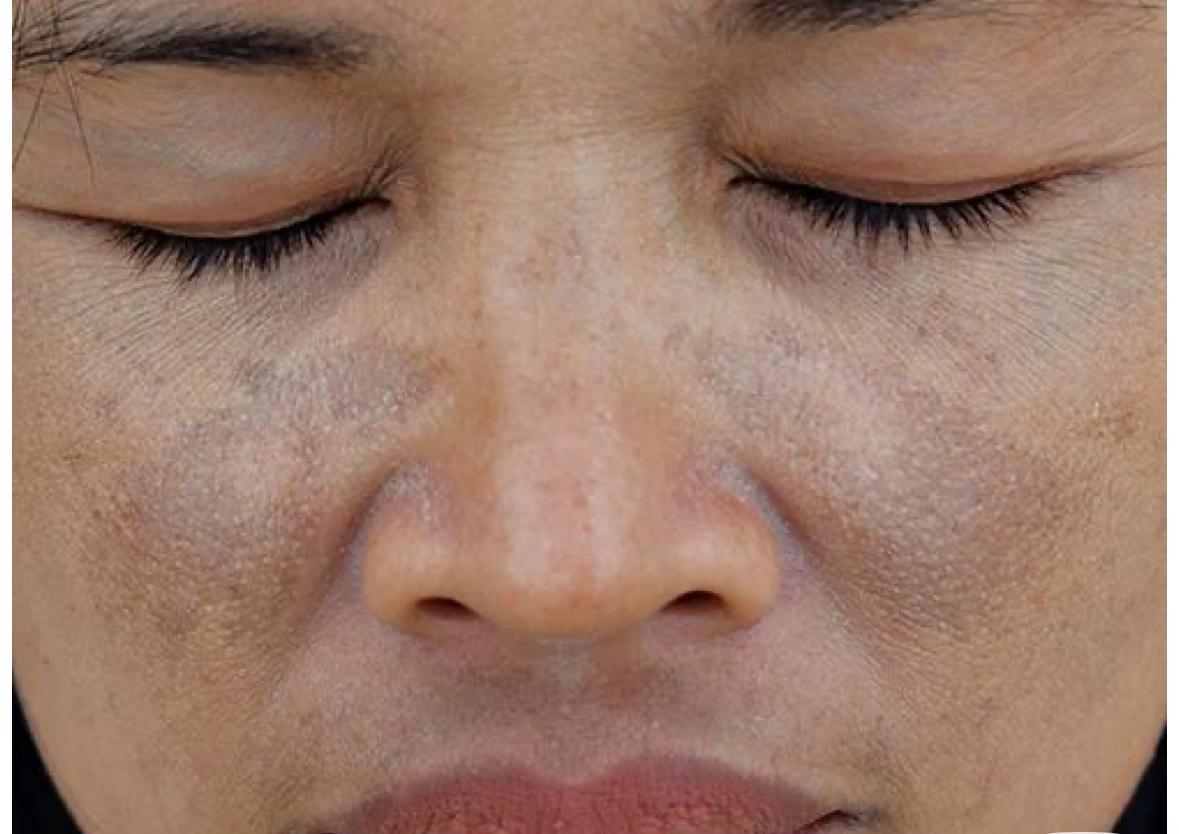
Melasma is a common
skin condition that causes brown or grey-brown patches on the face. It is
especially common in Indian skin due to higher melanin content and sensitivity
to sunlight and hormones. Although melasma is not harmful, it can affect
confidence and emotional wellbeing.
UNDERSTANDING MELASMA IN INDIAN SKIN
1.
Melasma is a chronic pigmentary disorder that presents
as symmetrical brown or grey, brown patches on the face. It most commonly
affects the cheeks, forehead, upper lip, nose and chin. Indian skin types are
particularly prone to melasma due to higher melanin content and increased
sensitivity of pigment producing cells. Though melasma is not medically
dangerous, it significantly affects self-confidence and quality of life.
Understanding its triggers and adopting long term care strategies is essential
for effective control and prevention of recurrence.
2.
Indian skin belongs predominantly to Fitzpatrick skin
types IV and V. These skin types have highly active melanocytes which respond
aggressively to both internal and external stimuli. In melasma, melanocytes
produce excess melanin that gets deposited in the epidermis, dermis or both.
This leads to persistent pigmentation that is difficult to treat and has a
tendency to recur if not managed carefully.
3.
Melasma
is a chronic condition rather than a one-time episode. This means treatment
requires patience, consistency and long-term maintenance rather than short term
solutions.
MAJOR TRIGGERS OF MELASMA
1.
Sun
exposure is the most significant trigger for melasma in Indian skin.
Ultraviolet A and ultraviolet B rays stimulate melanocytes and worsen
pigmentation. Visible light, especially blue light from the sun and digital
screens, also plays a role in deepening melasma.
2.
Hormonal
changes are a strong internal trigger. Melasma is commonly seen in women during
pregnancy, while taking oral contraceptive pills or during hormonal therapies.
Thyroid disorders have also been associated with resistant cases of melasma.
3.
Genetic
predisposition increases susceptibility. Individuals with a family history of
melasma are more likely to develop the condition, especially when exposed to
environmental triggers.
4.
Heat
exposure aggravates melasma even without direct sunlight. Prolonged exposure to
heat from cooking, steam, hot climates or saunas can worsen pigmentation by
increasing skin inflammation.
5.
Inappropriate
cosmetic use is a frequently overlooked trigger. Use of harsh scrubs, fairness
creams, steroid based products and frequent salon procedures damages the skin
barrier and worsens pigmentation.
6.
Stress
and lack of sleep indirectly contribute by increasing cortisol levels which
promote inflammation and pigment activity in predisposed individuals.
7.
Certain
medications such as anti-epileptics and photosensitizing drugs may worsen
pigmentation when combined with sun exposure.
WHAT CAUSES MELASMA?
1.
Sun
exposure is the most important trigger. Indian skin reacts strongly to
ultraviolet rays and visible light, leading to increased pigmentation.
2.
Hormonal
changes during pregnancy, use of oral contraceptive pills, thyroid disorders
and hormonal imbalance can worsen melasma.
3.
Genetics
plays a role. If melasma runs in the family, the risk is higher.
4.
Heat
exposure from cooking, steam, hot weather and saunas can aggravate
pigmentation.
5.
Use
of harsh skincare products, steroid creams and frequent salon procedures damage
the skin barrier and worsens melasma.
6.
Stress
and poor sleep increase inflammation and pigment activity in the skin.
TYPES OF MELASMA
1.
Epidermal
melasma is light brown and responds well to treatment.
2.
Dermal
melasma appears bluish-grey and is more resistant.
3.
Mixed
melasma is most common in Indian patients.
LONG TERM TREATMENT AND CARE
1.
Sun
protection is the foundation of melasma management. Broad spectrum sunscreen
with protection against ultraviolet A ultraviolet B and visible light must be
used daily. Sunscreen should be applied every morning and reapplied every three
to four hours when outdoors. Physical sun protection such as caps scarves and
umbrellas is strongly advised.
2.
Topical
depigmenting agents play a central role in treatment. These include agents that
suppress melanin production reduce pigment transfer and promote controlled
exfoliation. Treatment must be tailored to Indian skin to avoid irritation
which can worsen pigmentation.
3.
Skin
barrier repair is essential for long term success. Gentle cleansers
moisturizers and barrier strengthening ingredients help reduce inflammation and
prevent relapse.
4.
Oral
antioxidants may be advised in selected patients to reduce oxidative stress and
support skin repair from within.
5.
Procedural
treatments such as chemical peels laser toning and microneedling are useful but
must be performed cautiously. Aggressive procedures can worsen melasma in
darker skin types if not done correctly. These treatments should always be
supervised by an experienced dermatologist.
6.
Hormonal
evaluation may be required in resistant cases especially in women with
irregular cycles thyroid disorders or recurrent pregnancy related melasma.
IMPORTANCE OF MAINTENANCE THERAPY
1.
Melasma
has a high recurrence rate. Even after visible improvement maintenance therapy
is critical. This includes continued sun protection mild depigmenting agents
and avoidance of known triggers. Stopping treatment abruptly often leads to
rebound pigmentation.
2.
Patients
should understand that melasma control is a long term commitment rather than a
quick fix. Realistic expectations and regular follow ups improve treatment
outcomes.
LIFESTYLE MODIFICATIONS FOR BETTER CONTROL
Avoid peak sun hours whenever
possible. Reduce heat exposure during cooking by improving ventilation. Avoid
experimenting with unprescribed skincare products. Maintain regular sleep
patterns and manage stress effectively. A balanced diet rich in antioxidants
supports skin health.
CONCLUSION
Melasma is a complex and chronic pigmentary condition that requires a
comprehensive and individualized approach, especially in Indian skin.
Identifying triggers, protecting the skin from sun and heat, using medically
guided treatments and following long term maintenance protocols are essential
for sustained improvement. Early diagnosis and professional care significantly
reduce the severity and recurrence of melasma.
At Elan Skin Care Clinic, Navi Mumbai, melasma is
treated with evidence-based protocols tailored to Indian skin, focusing on
safety, long term control and skin health restoration.
CONTACT DETAILS
Website:
http://elanskincare.in/
Phone: 099200 16171
Email: elanskinsolutions@gmail.com
Address: Ground Floor, Ekdant CHS, Shop No 4 and 5, Plot 53 and 54, Sector 19,
Kharghar, Navi Mumbai, Maharashtra 410210
Author Details

I am a professional blogger interested in everything taking place in cyberspace. I am running this website and try my best to make it a better place to visit. I post only the articles that are related to the topic and thoroughly analyze all visitors’ requests to cater to their needs better.
Most Popular Posts
- October 26, 2018
- Botox
5 REASONS TO CONSIDER BOTOX INJECTIONS TO IMPROVE YOUR FACIAL
APPEAR